An 18L Pail Production Line is the right choice for manufacturers who need to produce high volumes of conical metal pails in the 10 to 20 liter range for paint, chemical, lubricant, or coating applications at the lowest possible per-unit cost. A fully automatic line running 24 hours can produce up to 46,000 pails per day at an energy consumption controlled at just 10kW per hour, while requiring only 1 to 2 workers to operate the entire line (Source: Can Making Machine, Automatic Conical Pail Can Manufacturing Equipment with a Daily Production Capacity of 46,000). That combination of throughput, labor efficiency, and energy economy is why a dedicated 18L line consistently outperforms manual or semi-automatic production for any manufacturer whose annual volume justifies the investment in dedicated tooling and automation.
The 18L Pail Is The Standard Container For Paint And Chemical Packaging
Before evaluating whether to invest in a dedicated production line, it is worth understanding why the 18L format dominates the paint and chemical packaging segment in global markets. The 18L conical pail, also known as a 5-gallon equivalent in markets using imperial measurement, is the most widely specified container size for architectural paint, industrial coatings, adhesives, solvents, lubricants, and agricultural chemicals sold through professional and trade channels worldwide.
Accio's market intelligence report on tinplate pails confirms that the global steel pails market is experiencing steady expansion, with analysts projecting a compound annual growth rate of 3 to 4 percent over the next five years, driven primarily by robust demand from the chemical and paint and coatings industries, with the Asia-Pacific region leading both production and consumption (Source: Accio, Tinplate Pails: Durable, Customizable and UN Certified). The 18L volume point sits at the center of this demand because it is large enough to serve professional contractors and industrial end-users efficiently, while remaining manageable for manual handling without mechanical assistance.
Conical pails within the 10 to 25 liter range are typically constructed as three-piece tinplate assemblies: a conical body with two reinforcing ribs, a bottom, and a lid. The body is formed from tinplate sheet in thickness ranges of 0.34 to 0.45mm, with overall dimensions of approximately 200 to 300mm in diameter and 170 to 460mm in height depending on volume (Source: Can Making Machine, 10-25L Conical Pail Production Line). This established geometry and material standard means production line tooling and machinery are well-developed, readily available, and supported by a mature global supplier ecosystem.
What An 18L Pail Production Line Consists Of
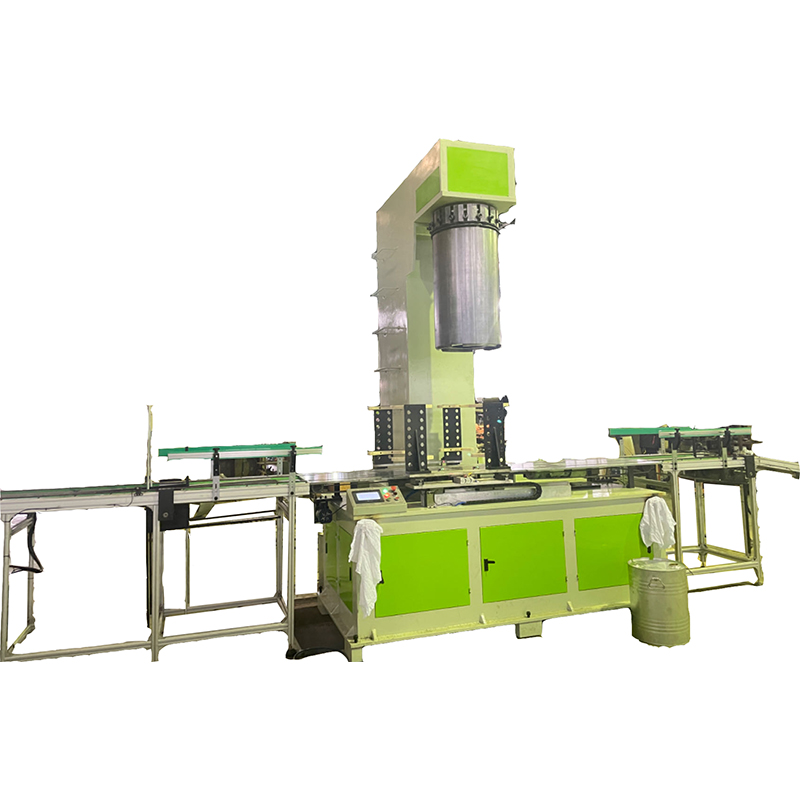
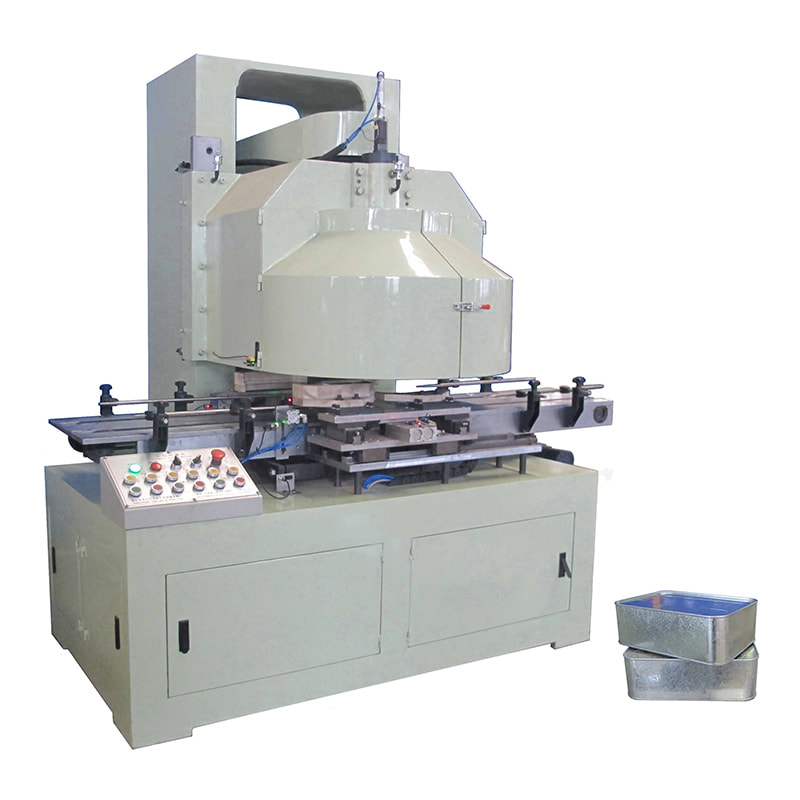
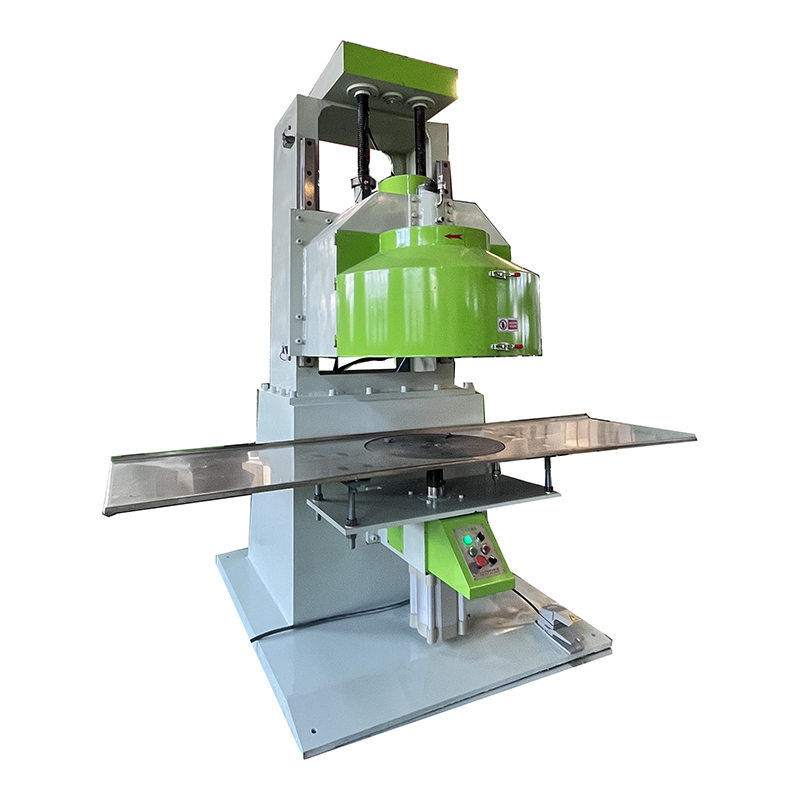
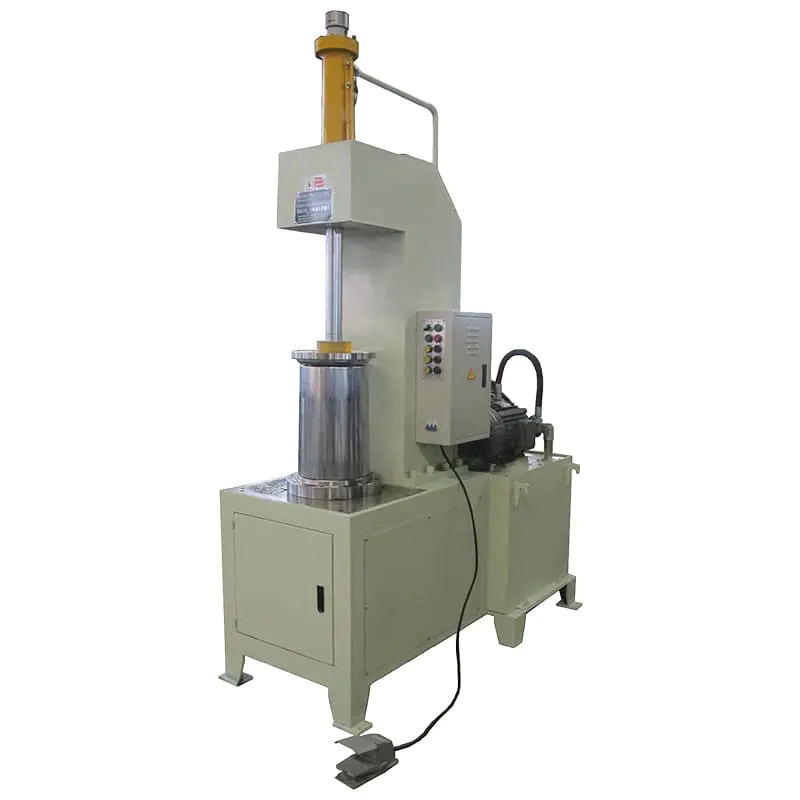
A complete automatic 18L pail production line integrates multiple sequential process stages into a single continuous workflow, each performing a specific operation on the tinplate as it advances through the line.
Can Body Formation And Seam Welding
The production sequence begins with plate shearing, which cuts tinplate sheet to the correct blank size, followed by automatic rounding and seam welding to form the cylindrical body. Automatic seam welding machines use resistance welding technology under PLC control to join the body seam consistently at high speed. The welding machine specification for an 18L conical line typically operates at speeds matching the downstream flanging and seaming equipment to maintain continuous flow without manual buffering between stations (Source: KOSOBO Company, 18L Pail Can Production Line).
Forming, Flanging, And Beading
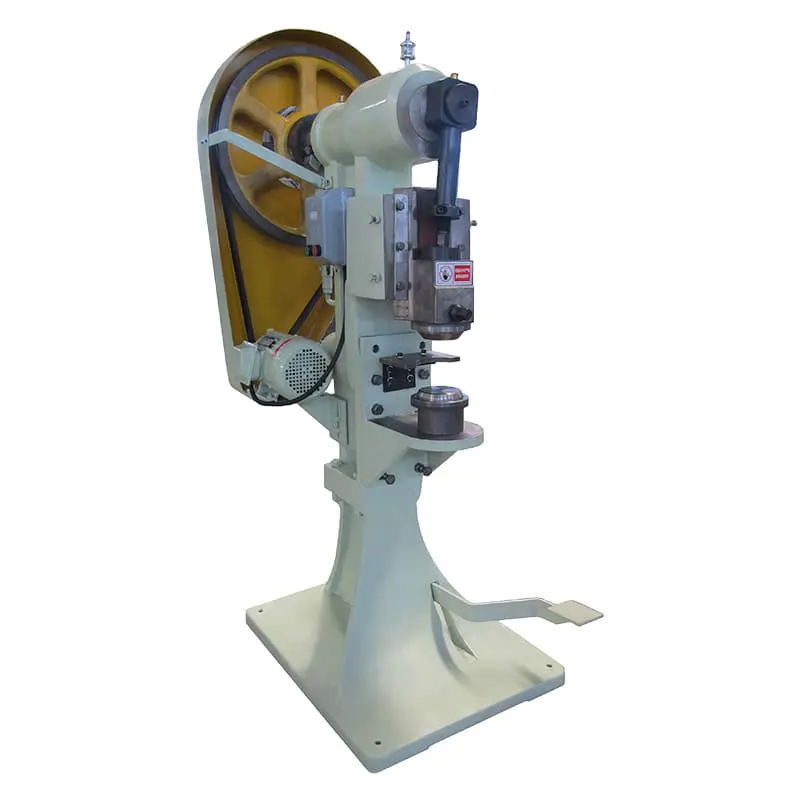
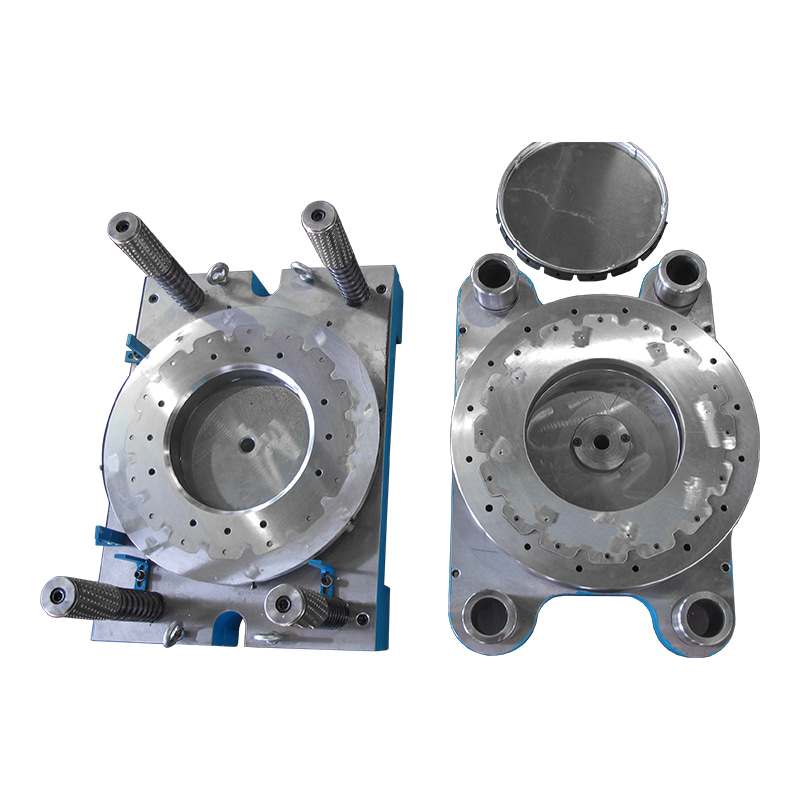
After welding, the can body advances through expanding cone forming, which gives it the characteristic conical taper. Pre-rolling and flanging operations prepare the top and bottom edges for seaming. Beading rolls press circumferential ribs into the body wall, which add structural stiffness and resistance to deformation under load and during stacking. For a standard 18L pail, two body ribs are typical (Source: Can Making Machine, 10-25L Conical Pail Production Line).
Bottom Seaming And Handle Attachment
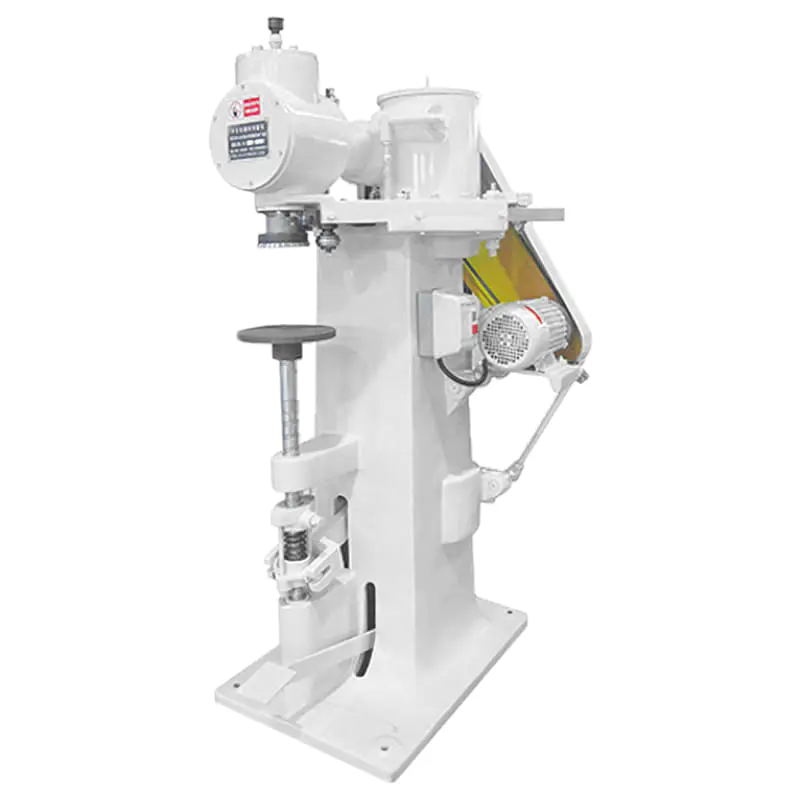
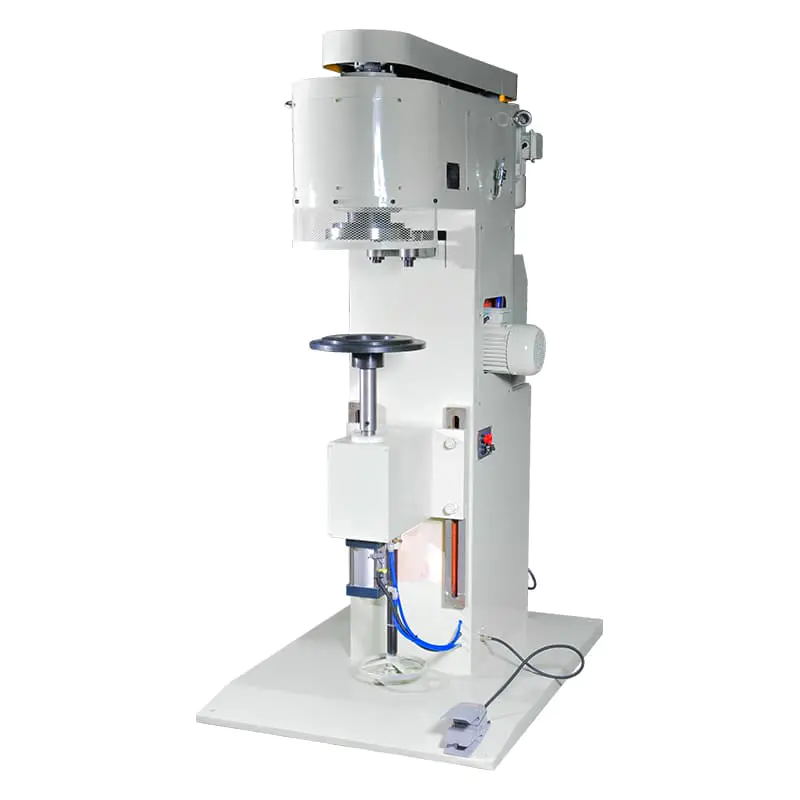
The bottom lid is double-seamed onto the body at a dedicated seaming station. Handle attachment, including bail ear spot welding for wire handles, is typically integrated into the line sequence. Double-headed spot welding machines weld the bail ears simultaneously on both sides of the pail to maintain symmetry and throughput (Source: KOSOBO Company, 18L Pail Can Production Line).
Control System Integration
Modern automatic 18L pail lines are built around PLC-based control systems that coordinate all stations in real time. Industry-standard PLC brands used in proven production line designs include Japanese Mitsubishi for the main controller, with low-voltage apparatus from Schneider, IGBT modules from Fuji, sensors from Omron, and HMI touchscreens from established industrial suppliers (Source: Made in China, Automatic 18L Pail Conical Round Can Production Line). This component specification reflects a design philosophy of using globally supported components that plant maintenance teams can service and source parts for without proprietary lock-in.

Production Speed And Daily Capacity
Speed is the primary reason manufacturers choose a dedicated automatic 18L line over semi-automatic or manual alternatives. Published specifications for conical pail production lines in the 10 to 25L range show output speeds of 20 to 35 pieces per minute for lines of this class (Source: GR Can Machine, Pail Making Machine Conical Pail Production Line). At the higher end of this range, sustained operation over a 24-hour period delivers approximately 46,000 finished pails, a volume that would require many times more labor and floor space to achieve through semi-automatic or manual processes (Source: Can Making Machine, Automatic Conical Pail Can Manufacturing Equipment with a Daily Production Capacity of 46,000).
| Production Mode |
Output Rate |
Daily Capacity (24h) |
Operators Required |
| Fully automatic line |
20 to 35 pcs per minute |
Up to 46,000 pails |
1 to 2 workers |
| Semi-automatic line |
18 to 20 pcs per minute |
Significantly lower |
Multiple operators per station |
The comparison illustrates why the automatic line is almost always the correct choice for any manufacturer whose demand profile exceeds what semi-automatic production can address at competitive per-unit cost. The semi-automatic line in the 18 to 20 pcs per minute range requires multiple manual interventions at each station, which multiplies labor cost per pail and introduces dimensional variation at every human handoff point.
Labor Efficiency Is A Core Economic Argument
The labor model of an automatic 18L pail production line represents a structural shift from manual intervention at each process step to supervisory oversight of an integrated automated sequence. Can making machine suppliers confirm that the whole production line requires only 1 to 2 workers to complete the operation, with the computer programming control system fully realizing automatic assembly line work end to end (Source: Can Making Machine, Automatic Conical Pail Production Line).
This labor requirement is achieved through several interconnected automation features that collectively eliminate the manual handling steps required in semi-automatic production. Servo feeding systems and mechanical arm feeders advance tinplate sheet accurately without operator assistance. Automatic position pushing ensures consistent blank placement at each forming station. Alarm protection systems detect jams, misfeeds, and out-of-tolerance conditions automatically and halt the line before defective parts advance further, reducing the scrap rate that would otherwise require operator inspection at every stage (Source: Jiaolong Machinery, 18L 10-20 Liters Tin Can Pail Making Line).
In markets where labor costs represent a significant proportion of total manufacturing cost, the ability to produce 46,000 pails per day with two workers rather than twelve or fifteen is a decisive economic advantage. At scale, that labor saving compounds across every shift, every week, and every year of operation.
Energy Efficiency And Running Cost
Energy consumption is a line running cost that affects profitability on every pail produced. The documented energy consumption figure for a fully automatic 18L conical pail line operating continuously is 10kW per hour across the entire line (Source: Can Making Machine, Automatic Conical Pail Can Manufacturing Equipment with a Daily Production Capacity of 46,000). Divided across 46,000 pails per day, this translates to approximately 0.22 watt-hours of energy consumed per pail produced, a figure that reflects the efficiency of modern servo-driven and PLC-controlled automation compared to older hydraulic or purely mechanical line designs.
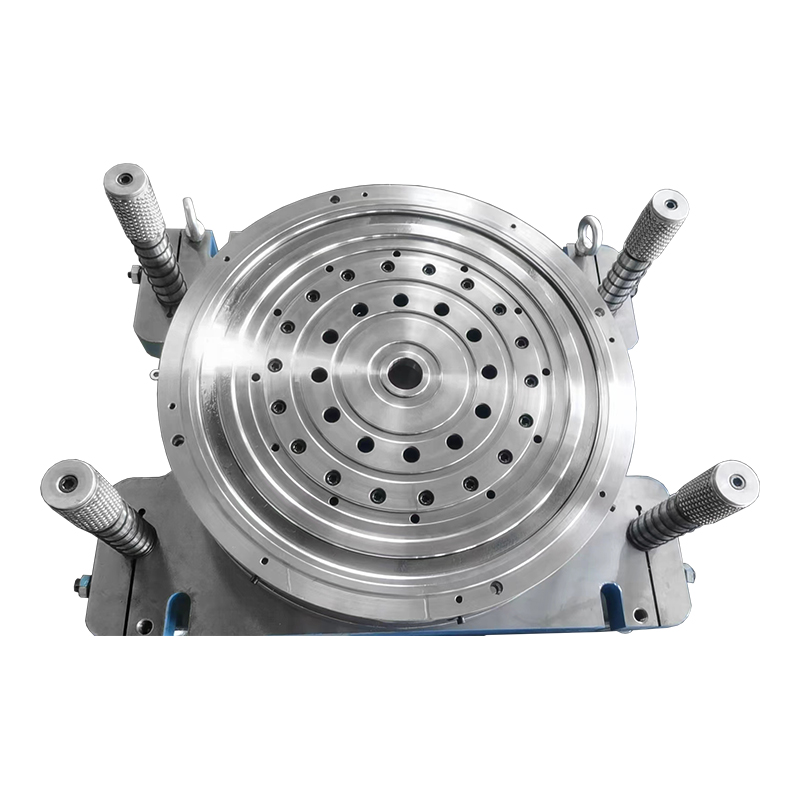
Modern automatic lines achieve this efficiency through several design choices. Servo motors consume energy proportional to actual load rather than running at constant maximum draw as older induction motor designs do. The gantry bed with no-gap guide running reduces mechanical friction and vibration at high speed, which directly reduces the power required to maintain line speed (Source: Jiaolong Machinery, 18L 10-20 Liters Tin Can Pail Making Line). Material efficiency also contributes: whole-sheet blanking from the full tinplate coil width reduces trim loss compared to cut-sheet feeding, which reduces the raw material cost per pail and the energy consumed in processing material that ultimately becomes scrap.
Material And Format Flexibility Within The Line
A dedicated 18L pail production line does not typically restrict output to a single exact volume. The conical geometry of the pail family means that the same line configuration, with appropriate tooling adjustments, can produce pails across a range from 10L to 25L, depending on the specific machine specifications and die set available (Source: GR Can Machine, Pail Making Machine Conical Pail Production Line).
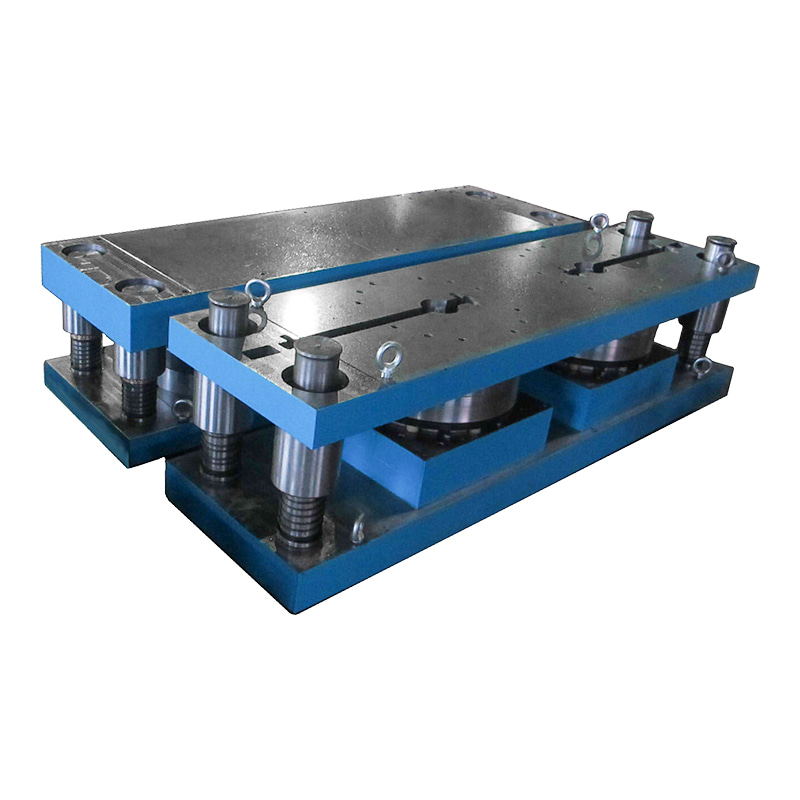
Tinplate sheet thickness compatibility for lines of this class typically spans from 0.3 to 0.5mm, covering the full range of material gauges used for pails in the 10 to 20L segment. PLC height adjustment allows the line to adapt to different can body heights without lengthy mechanical changeover procedures. Automatic terminal detection makes container changeover faster and more consistent than manual adjustment, which is important for manufacturers producing multiple SKUs on the same line across different production shifts.
For manufacturers requiring coating or lacquering inside the can body, an internal and external coating machine and oven can be integrated into the line as optional stages. This is particularly relevant for pails intended to contain chemically aggressive products such as solvents, acids, or water-based formulations that could react with bare tinplate over their shelf life (Source: Made in China, Automatic 18L Pail Conical Round Can Production Line).
Quality Control Built Into The Line Architecture
Consistent dimensional quality across high-volume production is not achieved through end-of-line inspection alone. On a modern 18L pail line, quality control is embedded in the production process at the machine level.
- The gantry bed design with no-gap guide running maintains dimensional stability at high speed, ensuring that each body passes through every forming station in exactly the same position as the previous one (Source: Jiaolong Machinery, 18L 10-20 Liters Tin Can Pail Making Line)
- The servo feeding mechanism eliminates the positional variation that manual feeding introduces, so seam location and forming geometry are consistent across every body on every shift
- Alarm protection systems detect jams and anomalies before they produce a batch of out-of-tolerance parts, which reduces scrap rates and the rework cost associated with defective output
- MES system compatibility allows the line to connect to factory data collection systems for real-time production monitoring, fault logging, and remote diagnostic analysis, providing the data foundation for continuous process improvement (Source: Can Making Machine, Automatic Conical Pail Can Manufacturing Equipment with a Daily Production Capacity of 46,000)
- Internal groove design on flanging components ensures uniform flanging and seaming quality on every body, which is critical for pails carrying liquids or viscous materials where a poor seam creates a leakage risk in transit
Applications Across Paint, Chemical, And Industrial Packaging
The 18L pail format produced on a line of this type serves a wide range of industries, each with specific performance requirements for the container itself.
- Paint and architectural coatings, where the 18L volume is the dominant trade and professional packaging size for wall paint, primers, and specialty coatings, requiring clean internal surfaces and a secure seam that prevents skinning or contamination during shelf storage
- Industrial coatings and adhesives, including floor coatings, roof coatings, and construction adhesives, where the pail's rigidity and stack stability allow efficient warehouse storage and distribution
- Lubricants and machine oils, where tinplate pails provide chemical compatibility across a wider range of fluid formulations than plastic alternatives
- Agricultural chemicals and pesticides, where UN-certified metal pails meet the transport and storage requirements for regulated dangerous goods shipping (Source: Accio, Tinplate Pails: Durable, Customizable and UN Certified)
- Detergents and cleaning chemicals, where the corrosion resistance of tinplate with appropriate internal coating provides the necessary protection against water-based formulations over extended shelf life
The breadth of this application range means that a manufacturer operating an 18L pail production line is not dependent on a single end market for utilization. A line producing paint pails at full capacity one month can be reconfigured to produce lubricant pails or chemical pails the next, provided the appropriate body coating specification is applied.
Key Factors To Evaluate Before Investing
Choosing the right 18L pail production line involves matching machine specifications to the actual production requirements and site conditions of the buyer.
- Confirm the output speed specification in pieces per minute and verify that it is achievable at the tinplate gauge and can body height required for the primary production SKU, not just at an optimum test condition
- Confirm the range of can heights and diameters the line can accommodate, and whether changeover between formats requires die changes or only PLC parameter adjustment
- Verify whether internal coating capability is required for the intended product and whether the line supplier offers integrated coating and oven stages or whether these need to be sourced separately
- Confirm PLC and electrical component brands and verify that local service and spare parts support is available for those brands in the target country of operation
- Assess whether MES integration and remote fault diagnosis capability are required for the factory's digital infrastructure and whether the supplier supports those connectivity features
- Review the after-sales service package, including installation and commissioning support, training for local operators, and overseas engineer availability for on-site troubleshooting beyond the warranty period
The can-making-machine.net 18L Pail Production Line is engineered to address all of these evaluation criteria, combining fully automatic PLC-controlled operation, servo-driven precision feeding, integrated alarm protection, and MES system compatibility into a production line built for sustained high-volume output across the paint, chemical, and industrial packaging sectors.


 +86 13666712509


Kontakta oss